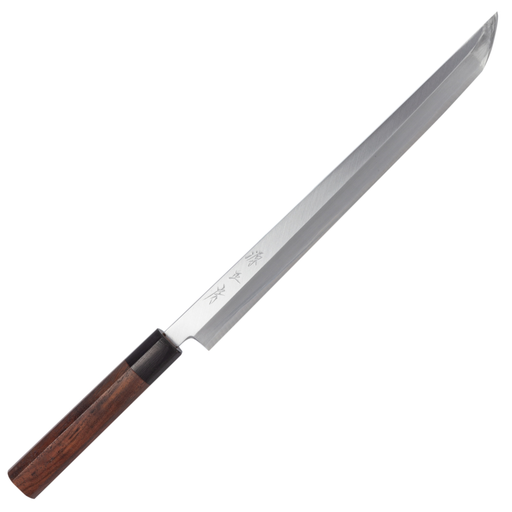
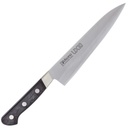
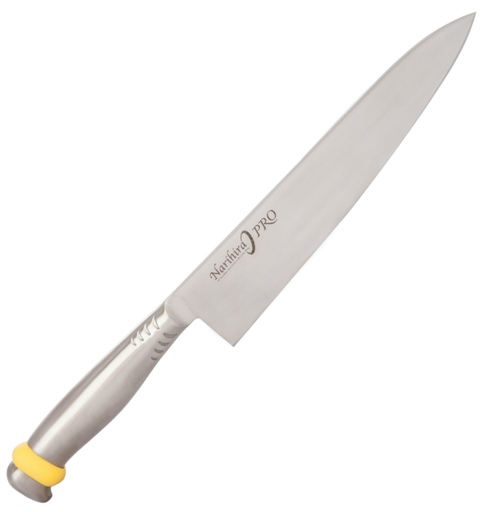
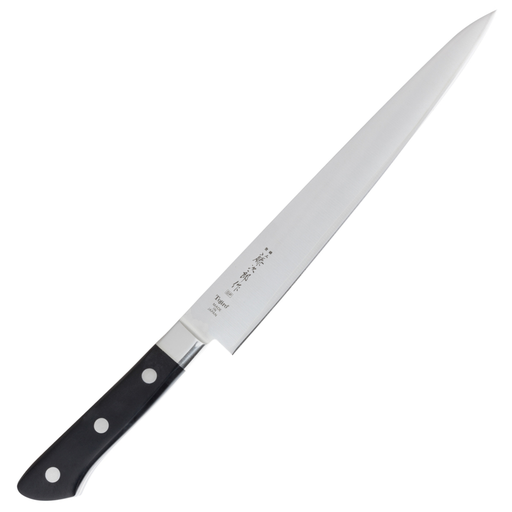
Japanese Knife
Unboxing Tojiro Japanese knives
New to this? Watch this clip first to learn how to choose a sushi knife.
Japanese knives — no single knife is the answer for everyone
The charm of Japanese knives is that every brand has its own character
Even with the same type of steel, similar shapes and the same country of manufacture, when they pass through the hands of different craftsmen, with different hardening, shaping, grinding, sharpening and finishing, the knives that come out feel different.
And this may be the most interesting thing about Japanese knives
Because behind the knife are “people”
Knife-making in Japan did not come from factories alone; it grew up in towns and communities that each had their own knowledge of metal.
Sakai has the Sakai way of making knives
Seki has its history of swordsmiths and Seki blade work
Tsubame–Sanjo grew up with metalworking
Echizen has Echizen forged edged tools
And Tosa has its own way of forging blades
This knowledge is not only in books
It is in the hands of the people who work there
One generation learns from the next: how hot the steel should be, how to forge it, how to harden it, how thin to grind it, and how to sharpen it to get the knife they want.
Some things can be explained in numbers
but some come from experience repeated countless times
Over time, the knowledge of those people gradually became the “character” of knives from each region, and the identity of each maker.
That is why the name on the blade means something
TOJIRO grew up in Tsubame-Sanjo, Niigata Prefecture, an area known for metalworking, and combined that knowledge with modern production systems, resulting in knives with consistent standards that work well in real use and are easy to obtain.
Sakai Takayuki comes from Sakai, which still keeps its distinctive division of work among specialist craftsmen — blacksmiths, sharpeners and knife assemblers — so the skill of many people comes together in a single knife.
Minamoto Masafusa is another name we know well in the world of traditional Japanese knives, especially knives such as Yanagiba, Deba and Usuba, which reflect the culture of Japanese knives made clearly for specific tasks.
Masamoto has its own path, starting with a knife maker in the late Edo period and passing down its approach to hardening, sharpening and knife-making over many generations, until the name Masamoto became one of the names long associated with Japanese kitchens.
Misono from Seki chose a different path, bringing the skills of craftsmen in this city of blades together with modern machinery and production technology, creating chef’s knives with a character of their own.
Ishizuchi is linked to the Tosa way of knife-making, rooted in tool work and blacksmithing. Many of its blades still show the Kuro-uchi surface and plain traces of the forging process. These are knives that do not try to hide where they come from.
And Masutani from Echizen, Fukui Prefecture, is a good example of a workshop where knowledge of knives has passed through the family over many generations, making knives for everyday use while keeping the skills of sharpening craftsmen and Echizen’s knife-making culture.
Which brand is best? Or which kind of knife do we like?
All of this is why we don’t really want to ask “Which brand is best?”
We would rather invite you to ask “Which kind of knife do we like?”
Some like knives that are thin and glide through ingredients
Some like weight and a feeling of stability
Some like Stainless that is easy to care for
Some are willing to look after Carbon Steel in exchange for the edge they want
Some are passionate about traditional forging
While others want the precision and consistency of modern production
There is no wrong answer
Because in the end, a good knife does not come from steel alone
Steel is only the raw material
What turns that piece of steel into a knife is the knowledge, technique, experience and hands of the people who make it
And that is why, although Japanese knife brands may look similar at first sight, as we get to know them better we find that each brand has its own story and charm