Wooden Sushi Rice Tubs
ถังไม้ญี่ปุ่น ใช้ตีข้าวซูชิที่ทำจากไม้ Kiso Sawara
เริ่มต้นตั้งแต่การเลือกไม้
A Hangiri (半切), the wooden tub for mixing sushi rice, may look like a simple vessel. But with this tub, the difference begins with choosing which part of the tree it is made from.
The tub is made from Kiso Sawara (木曽さわら), one of the Kiso Goki — the five prized woods of Japan’s Kiso region. The maker uses trees more than 100 years old and specifically uses Akami (赤身), the heartwood at the centre of the trunk. Sawara heartwood is more water-resistant than the pale sapwood outside it, making it ideal for vessels like the Hangiri and Ohitsu that are in constant contact with moisture.
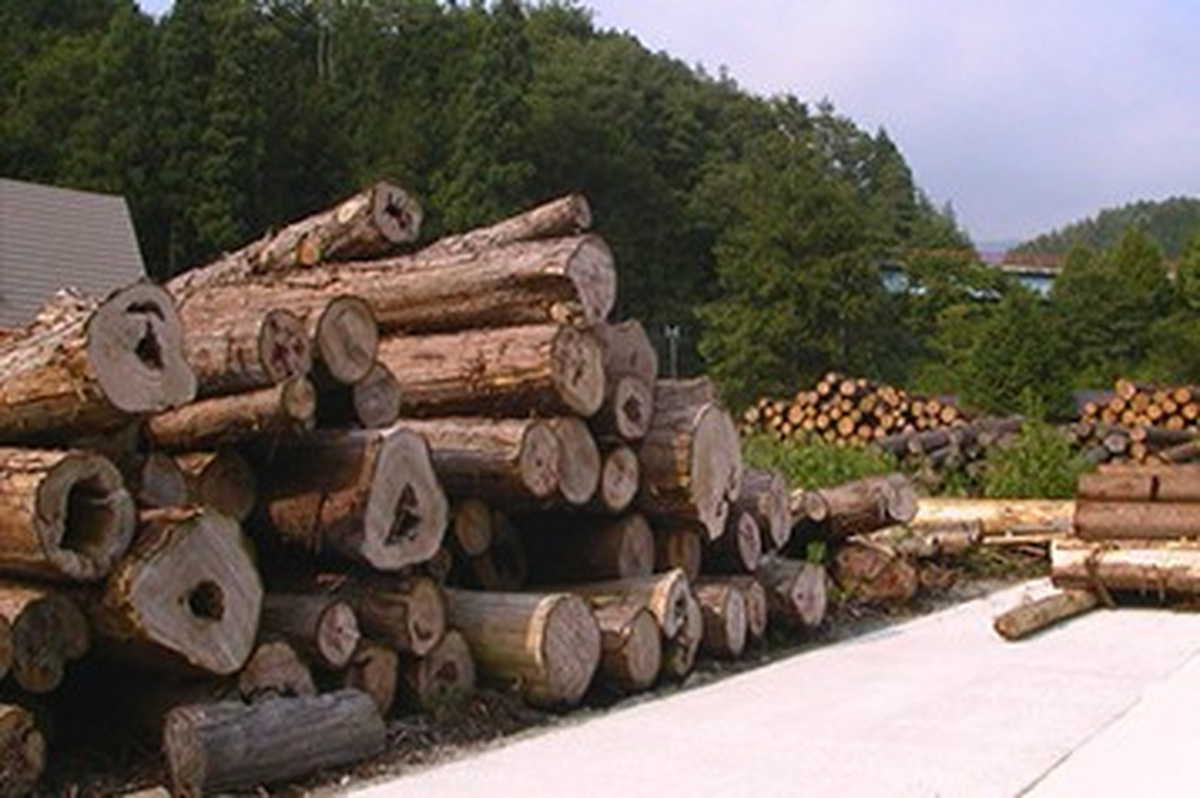
Sawara logs from the Kiso mountains of Japan
Masame grain, chosen to cope with repeated wetting and drying
Another interesting point is the maker’s emphasis on Masame (柾目), or straight grain.
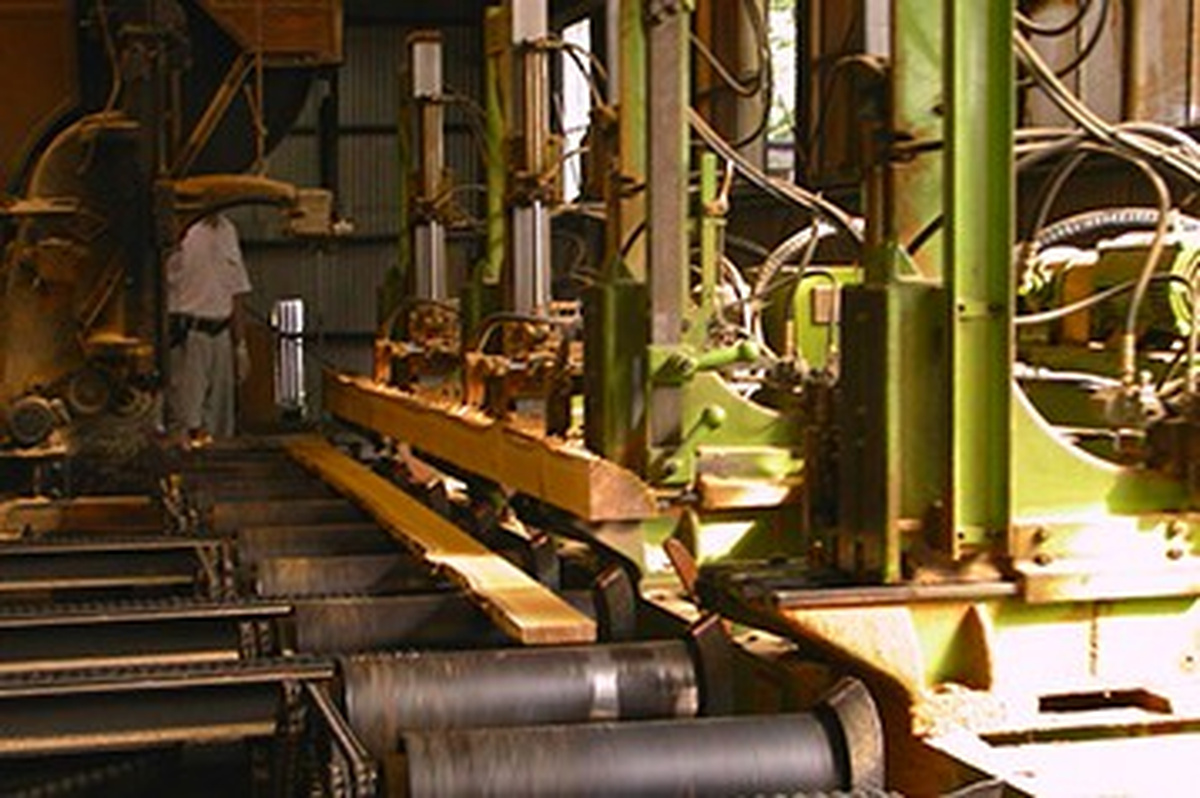
Sawing logs along the grain to get straight-grained (Masame) timber
A Hangiri goes through the same cycle again and again:
wet → use → wash → dry
so the wood expands and contracts throughout its life.
Straight Masame grain is more stable against these changes than wood with curved or highly irregular grain, so it is chosen to reduce the effects of the wood absorbing water and drying out.
So this isn’t simply choosing “Sawara wood”
— it’s choosing the age of the tree, the part of the trunk, and the direction of the grain.
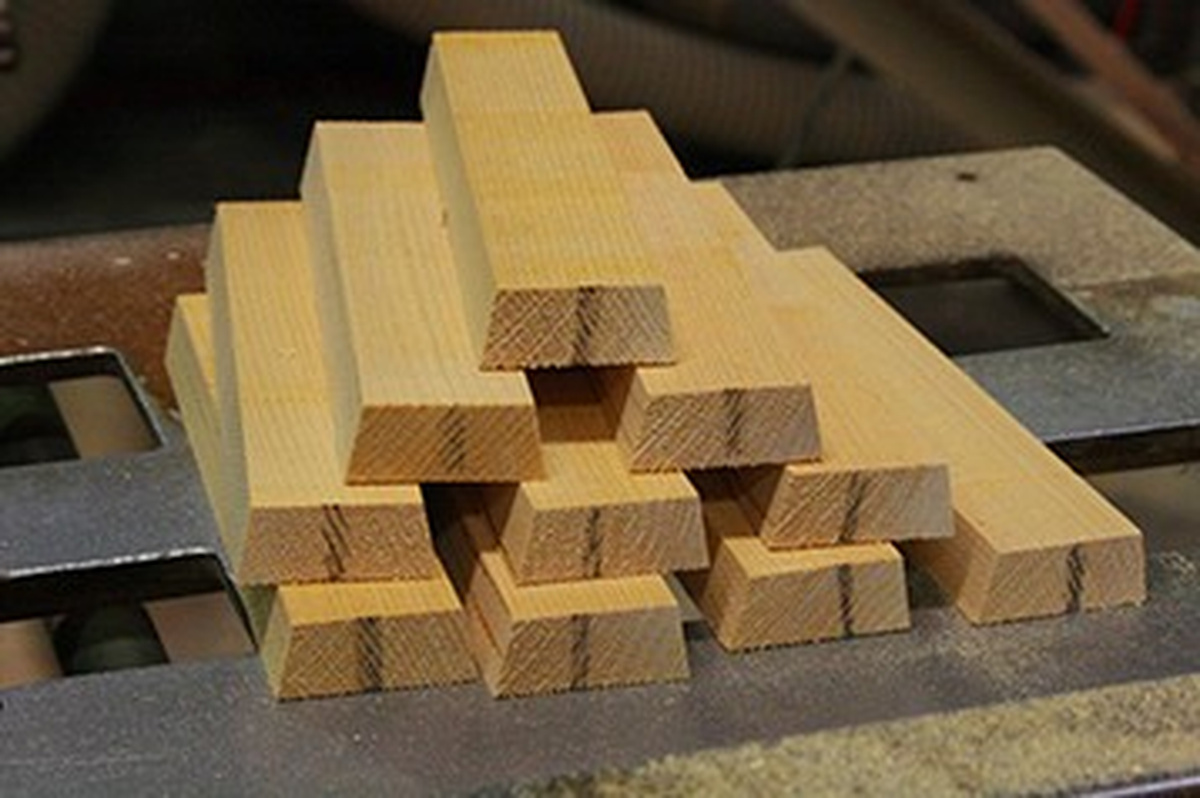
Sawara staves cut and ready to be assembled into a tub
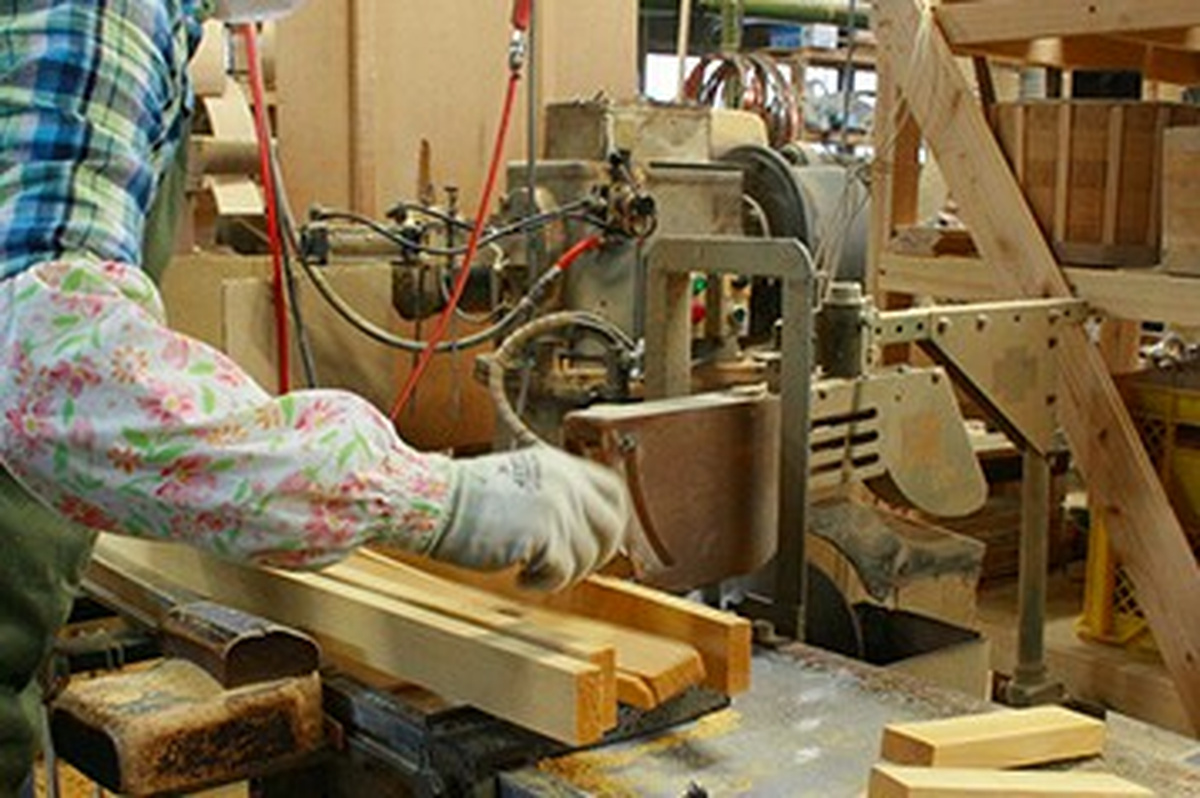
Shaping each stave one by one before assembly
Sawara helps manage the moisture of the rice
Sawara absorbs moisture to just the right degree and has a milder scent than Hinoki, which is why it has long been used for sushi rice tubs and rice storage tubs.
When hot rice is poured into the Hangiri, the wide surface helps spread the rice and release heat, while the wood takes up excess moisture from the rice.
The aim isn’t to dry the rice out,
but to give the sushi rice balanced moisture, so it doesn’t turn soggy while the vinegar is mixed in.
And that is why wooden vessels still matter today. You could mix rice in a stainless steel bowl instead, but the result would be different.
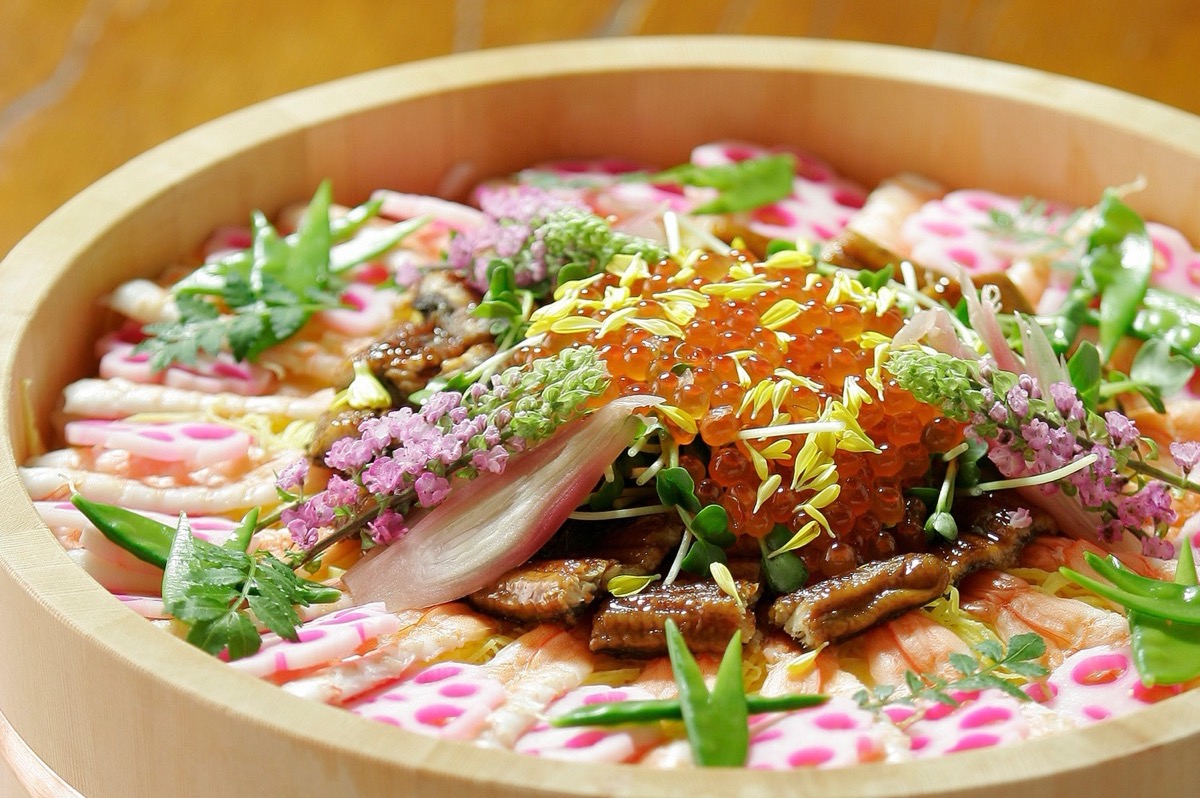
Sushi rice in a hangiri: the wide surface spreads the rice and releases heat
A rounded rim — a small detail born from real use
The top rim of the tub isn’t left as a sharp square edge; it is chamfered and rounded.
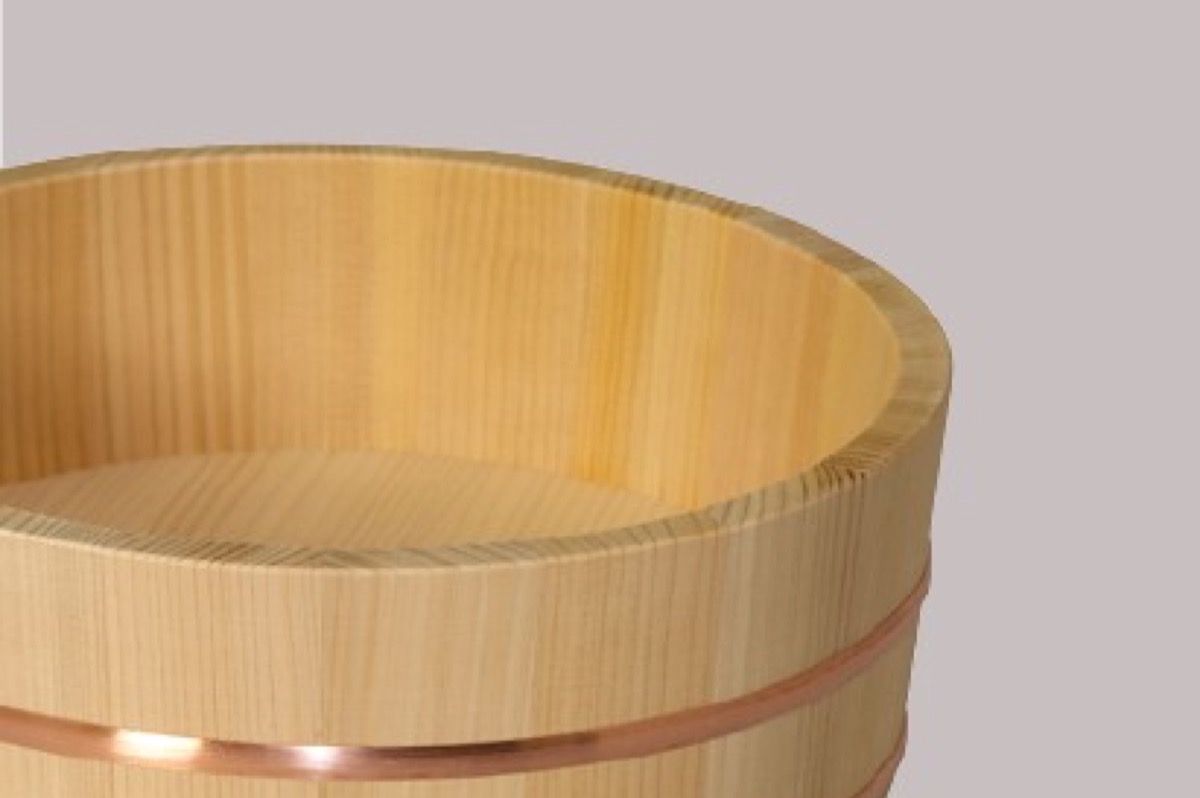
The top rim, rounded off
The maker explains that this gives a softer feel, makes the tub easier to hold and lift, and reduces the chance of the edge cutting a sushi chef’s hands when working quickly in the kitchen.
It’s a small detail that even users barely notice,
but one that a maker with long experience of repeated use pays close attention to.
Bound with genuine copper hoops
The tub is bound with copper hoops.
Besides holding each wooden stave together, copper is part of the look of traditional Japanese wooden vessels.
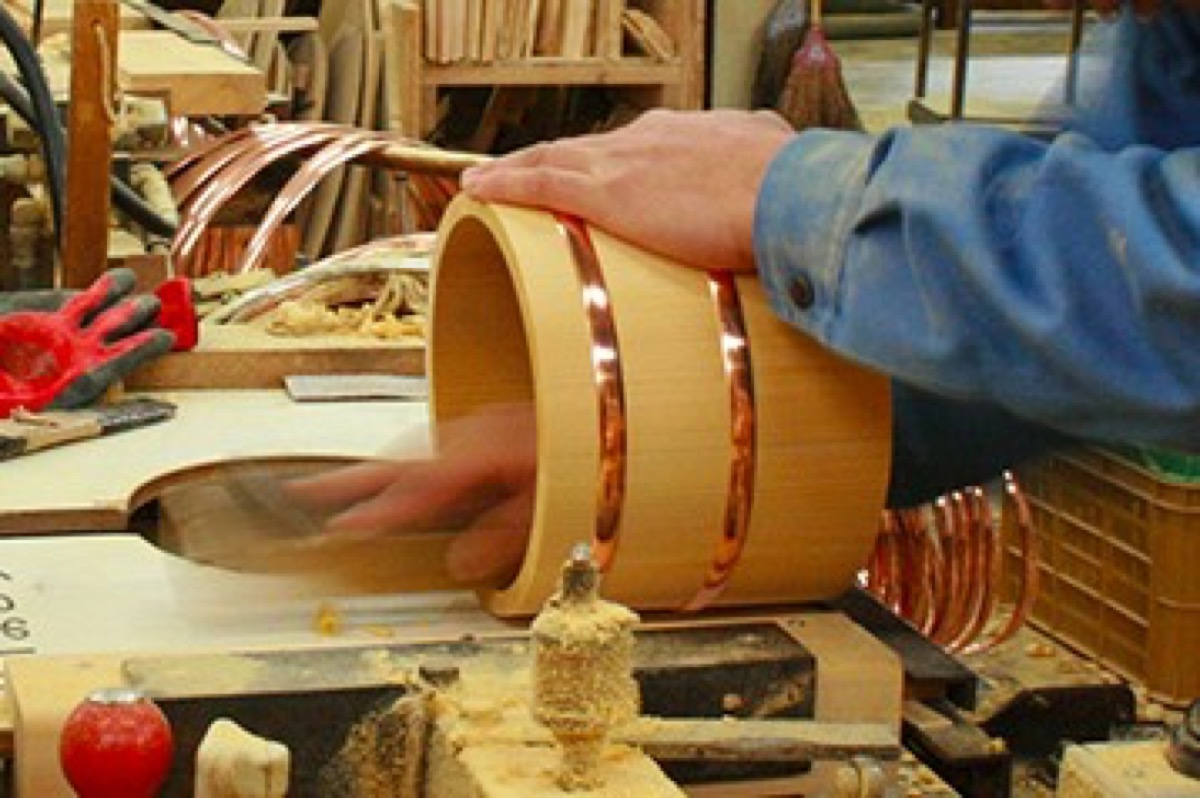
Fitting the copper hoops onto the tub
With long use, the copper gradually changes colour, and the Sawara wood itself changes colour along with it. The maker sees this change as part of the charm of natural materials.
The copper hoops may darken or turn black through oxidation. This is a natural phenomenon, the same as you see on copper coins, and does not mean the product is damaged.
Because it is made from natural wood, actual dimensions may vary by about ±3 mm depending on how each piece of wood is worked.
Sawara may show resin — and that is not a defect
Sawara belongs to the same family as Hinoki and naturally contains fragrant resin.
This resin is part of what makes Sawara so resistant to moisture, but when temperature or humidity changes, resin may seep to the surface, feeling sticky or leaving marks.
This is a natural characteristic of Sawara wood, it is harmless, and the stickiness can be wiped off with alcohol or with vinegar diluted in warm water.
Natural woodwork — no two tubs are exactly alike
Each tub is made and assembled from natural wood, so you may find small details such as:
- Marks from fitting the base
- Small marks from clamping during assembly
- Splinters or wood fibres in places
- Differences in grain, colour or knots
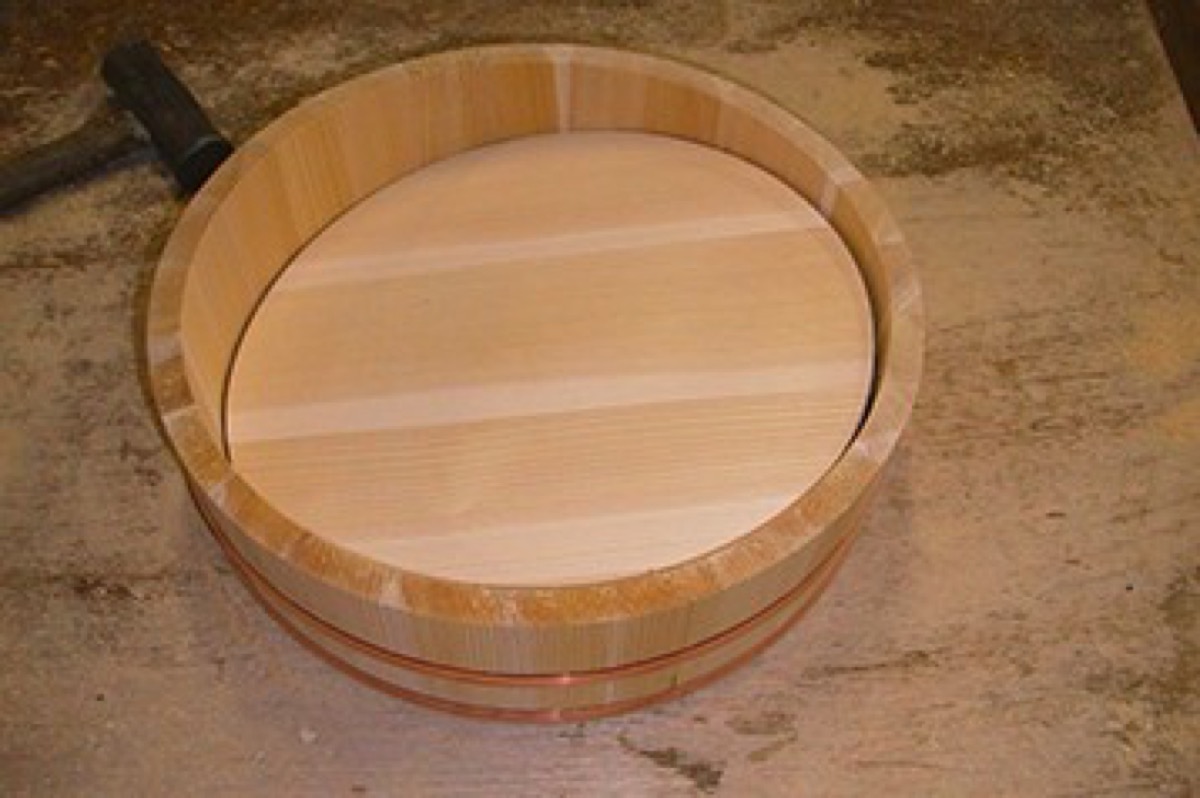
The bottom board fitted into the tub
These details come from the material and the making process; as long as they don’t affect use, the product is considered normal.
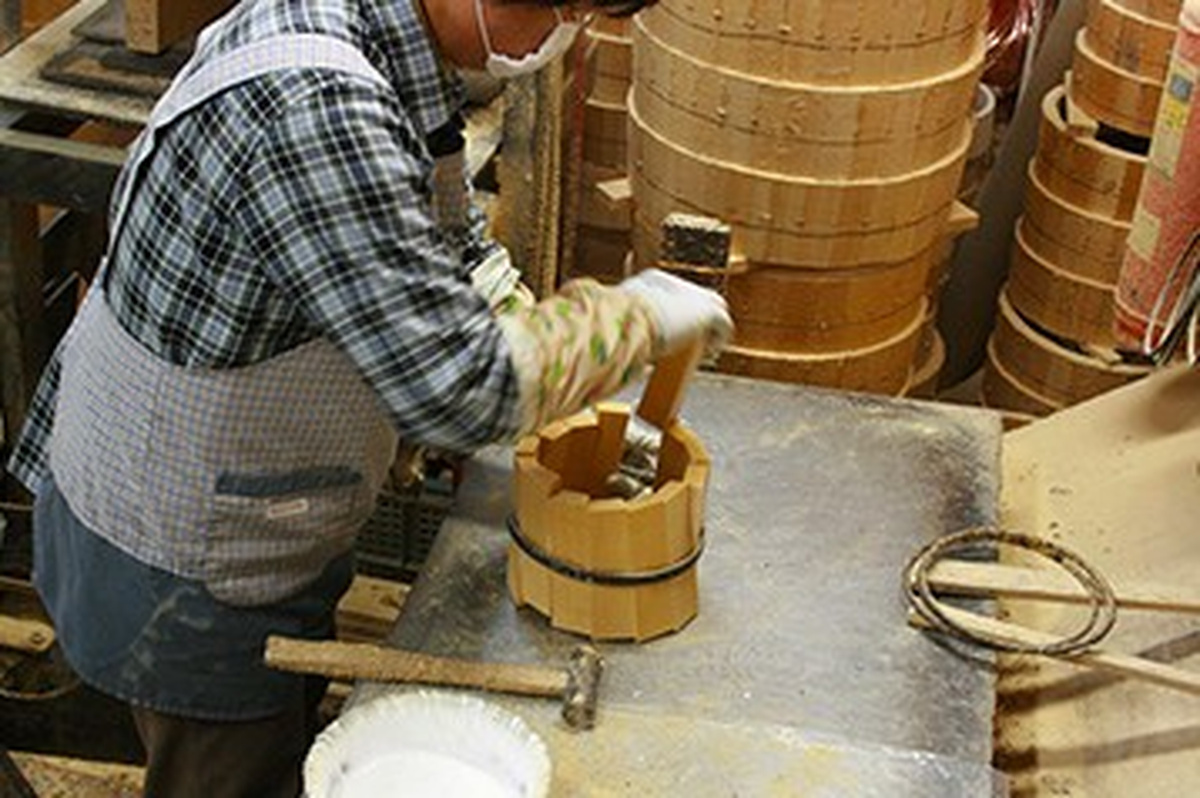
A craftsman assembling a tub by hand, one at a time
A Hangiri isn’t a tub for holding water — it’s built to work with rice
Although Sawara is water-resistant, a Hangiri is not built to be filled with water and left for long periods.
Water may seep or leak, especially when it is new, and it must never be soaked, as this can lead to warping, mould, deterioration or leaking joints.
After use, wash with water or warm water, wipe, and let it dry in a shaded, well-ventilated place, avoiding direct sunlight or heat.
Do not use a dishwasher or dish dryer
— the heat and rapid changes in moisture can cause the wood to warp or crack.
The charm of a Hangiri isn’t just that it is “Japanese”
It lies in details you might not see at first glance.
All of this goes into a vessel whose job looks very simple:
receive hot rice, mix in vinegar, release the heat, and keep the rice’s moisture just right.
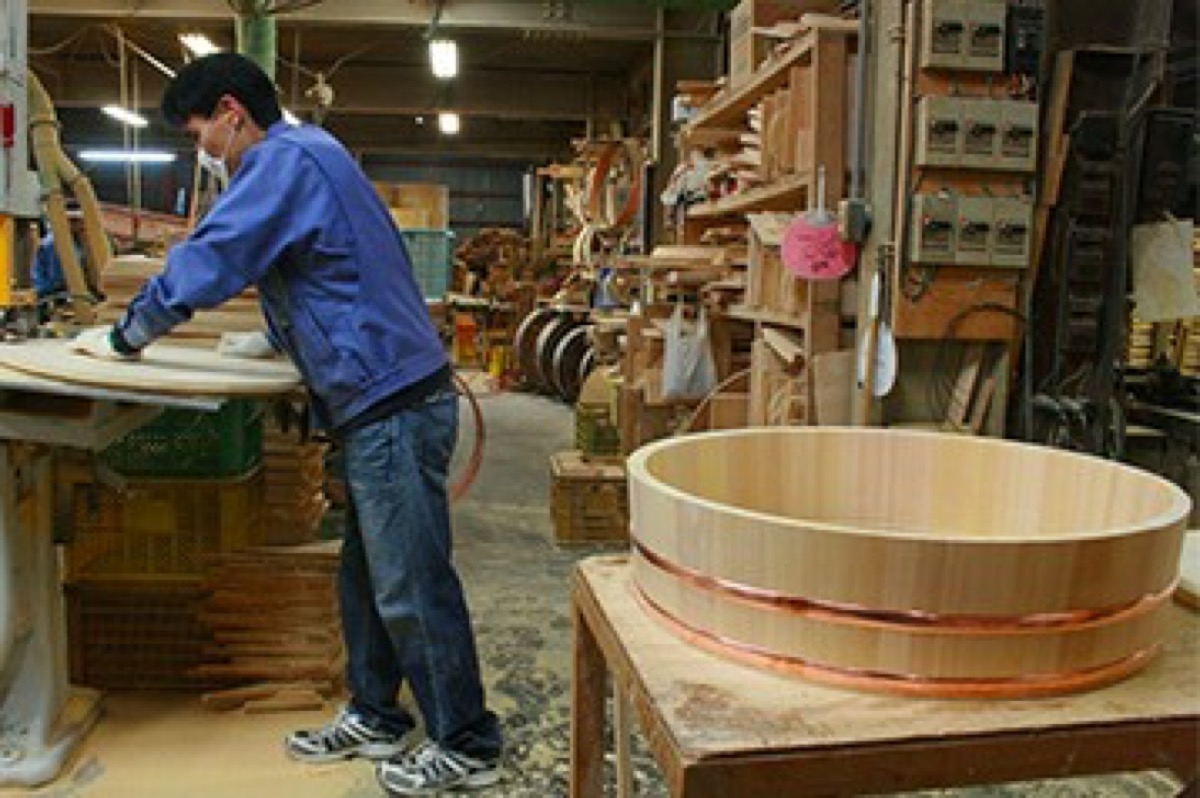
A finished hangiri
But for sushi, these small details in the rice-mixing step are
what clearly separates ordinary sushi rice from truly fine sushi rice.